Skip to main content Skip to footer

Hand & Wrist Pain

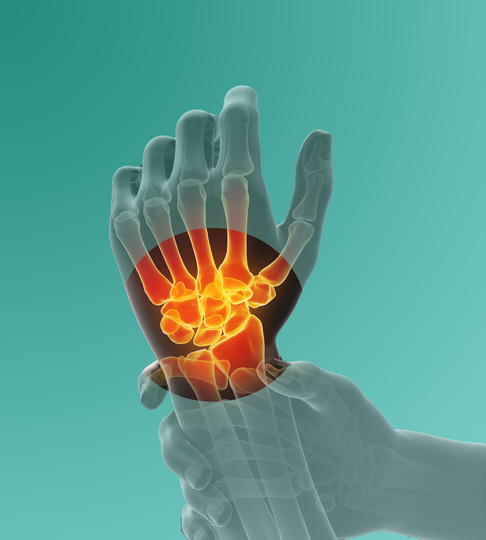
Hand and wrist pain can interfere with everyday activities, from typing and texting to opening jars. While repetitive strain is a well-known cause, dental health may also play a role through the body’s meridian connections.

Biological Dentistry+Medicine since 2016

Hand and Wrist Pain & Dental Health

Helping to sustain our patients' longevity goals for over 10 years, our bio-dentists have given exclusive, personalized biological care. 

Periodontitis and oral dysbiosis increase low‑grade systemic inflammation and are associated with musculoskeletal and rheumatic disorders through shared inflammatory pathways. (Source)

For executives and athletes with recurrent hand or wrist pain, bio‑health concepts therefore include periodontal diagnostics and therapy alongside orthopaedic and hand‑therapy care to reduce inflammatory load that may be sensitising tendons, joints and nerves.


A bio dentist takes a full oral‑systemic view: probing for periodontal pockets, checking for bleeding and inflammation, and assessing whether chronic infections, root‑treated teeth or jawbone lesions could be acting as silent inflammatory sources.

The practitioner also inventories all restorative materials, looking for extensive metals or mixed‑metal situations that can generate galvanic currents, and then coordinates with your hand specialist so any dental interventions support, rather than disrupt, your neuro‑orthopaedic treatment plan.

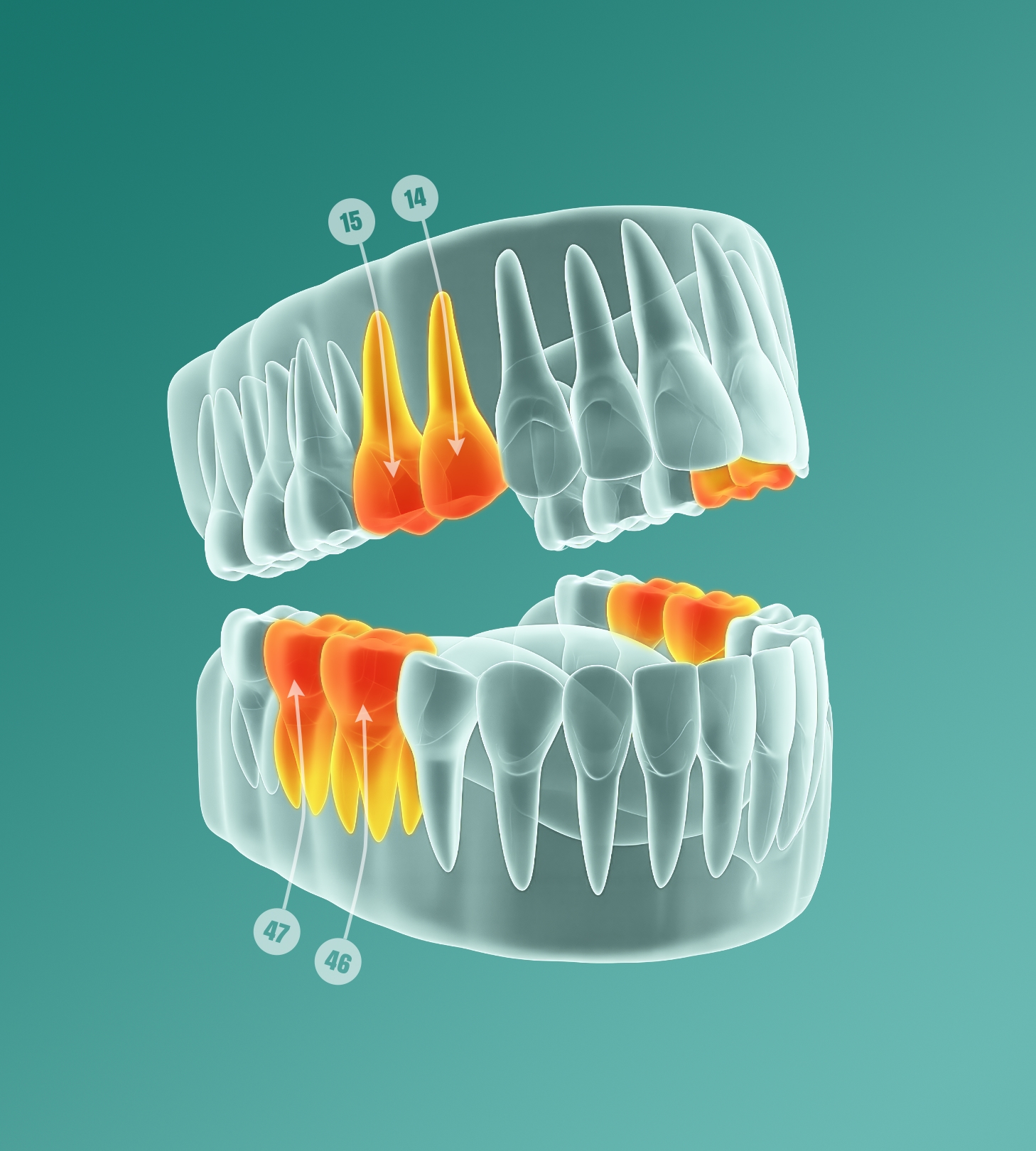
In meridian charts used by biological dentists, several teeth are mapped to energetic pathways that pass through the shoulder, arm, wrist and hand, suggesting that chronic problems in those teeth might influence symptoms along the arm line.

Although this mapping comes from traditional Chinese medicine rather than standard neurology, some high‑net‑worth patients choose to address suspicious teeth on these meridians, especially when hand and wrist pain persist despite high‑quality ergonomics, therapy and medical work‑up.

Biological dentists note that amalgam contains mercury and can release vapour during placement and removal, so they use protective protocols with high‑volume suction, rubber dams and personal protection to minimise exposure. (Source)

For high‑net‑worth individuals with multi‑joint, autoimmune or chronic pain syndromes, staged safe amalgam removal and replacement with biocompatible materials is positioned as a way to reduce potential toxic and electrical stress on the system while hand and wrist tissues are being rehabilitated.

Metal‑free ceramic implants such as zirconia are promoted in biological dentistry as highly biocompatible, corrosion‑resistant and free of galvanic currents, and many clinics describe them as a cornerstone of a toxin‑reduced mouth. (Source)

While they do not directly treat hand or wrist pathology, executives and elite performers often choose ceramic implants so that long‑term dental rehabilitation aligns with systemic anti‑inflammatory goals and reduces potential immune activation from metals. (Source)


Because large amalgam or extraction sessions can temporarily increase biological stress, bio dentists usually schedule major decontamination blocks away from peak competition, touring or transaction windows.

High‑net‑worth individuals therefore tend to phase care: first stabilising acute hand and wrist symptoms with ergonomics and therapy, then bundling dental decontamination into defined recovery periods, and finally planning ceramic implant placement when systemic markers and workload are more stable.

Takeaway: If hand or wrist pain keeps interfering with your daily life, considering the dental connection may help uncover a hidden factor in your recovery.

The Teeth Connection

Certain teeth are linked to the hand and wrist via the body’s meridian system. Dental stressors such as infection, inflammation, or jaw imbalance may contribute to persistent hand or wrist pain.

Hand & Wrist Pain Relief

Your hands and wrists work tirelessly — from typing and texting to lifting and gripping. Overuse, poor ergonomics, or inflammation can easily cause discomfort. Fortunately, small daily adjustments and mindful movement can bring lasting relief and prevent chronic pain.

Typical causes: 

  • Tendon overuse from typing, texting, or tools

  • Thumb arthritis (CMC joint)

  • Carpal tunnel syndrome

  • Repetitive gripping or heavy manual work

How common:

  • Around 10% of adults report hand or wrist pain, with higher rates in certain work groups.

1. Rest, But Don’t Immobilize Completely

Give your wrists short breaks during repetitive tasks. Avoid keeping them bent for long periods. Gentle movement — rather than complete stillness — helps maintain flexibility and circulation.

2. Apply Cold or Warm Compresses

If your wrist feels swollen or tender, start with a cold compress to reduce inflammation. For stiffness or muscle tension, switch to warmth to ease tightness and promote relaxation.

3. Stretch and Strengthen

Simple exercises can make a big difference. Try wrist circles, gentle finger stretches, or pressing your palms together to improve mobility. Strengthen with light resistance bands or squeezing a soft stress ball.

4. Improve Your Ergonomics

Poor desk setup is a common cause of wrist pain. Keep your wrists neutral (not bent up or down) when typing, and use an ergonomic keyboard or mouse pad with wrist support. Adjust your chair so elbows stay close to your body.

5. Support During Recovery

If you have a mild strain, a soft wrist brace can help stabilize the joint during daily tasks. Avoid wearing it 24/7 — your muscles still need movement to heal.

6. The Dental & Postural Link

Tension in the jaw and neck can travel through muscular chains down the shoulders and arms, sometimes intensifying wrist and hand discomfort. Jaw clenching or uneven bite pressure can create subtle muscle imbalances. Keeping your jaw relaxed and posture aligned can indirectly ease upper limb strain.

FREE
Swiss-Biohealth-Free-Consultation

10 Mins Consultation

Book a free 10-minute phone call with one of our expert Biohealth dentists. Discover how our biodentistry approach can support your overall health and help you understand the best next step for your situation.

  Schedule Now
FREE
Swiss-Biohealth-Free-Care-Plan

Biohealth Care-Plan

Discover how Biohealth can support your long-term health. Receive a complimentary personal Dental Care Plan within 3–5 working days, including guidance, a cost estimate, recommended next steps.

  Request Now
PAID
Swiss-Biohealth-On-Site-Consultation

Biohealth Clinic Visit

Visit our clinic for a complete Biohealth status assessment, including 3D X-rays, intra-oral scan, dental images, blood analysis, full dental status, a 60–90 minute dentist consultation, and a private clinic tour.

  Schedule Now

Free Consultation

Swiss-Biohealth-Free-Consultation

10 Mins Consultation

Book a free 10 minute consultation call with one of our expert BIOHEALTH dentists.
Learn how our biodentistry approach can systematically help your overall health.

  Schedule Now

Swiss-Biohealth-Free-Care-Plan

Biohealth Care-Plan

Discover how Biohealth can support your long-term health. Receive a complimentary personal Dental Care Plan within 3–5 working days, including guidance, a cost estimate, and recommended next steps.

  Request Now

Swiss-Biohealth-On-Site-Consultation

Biohealth Clinic Visit

Visit our clinic for a complete Biohealth status assessment, including 3D X-rays, intra-oral scan, dental images, blood analysis, full dental status, a 60–90 minute dentist consultation, and a private clinic tour.

  Schedule Now