Skip to main content Skip to footer

Shoulder Pain

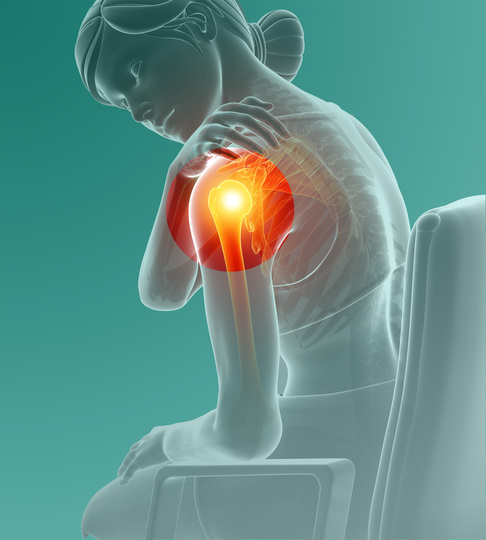
Shoulder pain can make simple movements — like lifting your arm or reaching behind you — surprisingly difficult. What’s less known is that dental health may also influence shoulder problems through the body’s meridian pathways.

Biological Dentistry+Medicine since 2016

Shoulder Pain & Dental Health

Helping to sustain our patients' longevity goals for over 10 years, our bio-dentists have given exclusive, personalized biological care. 

Recent systematic reviews confirm that periodontitis contributes to low‑grade systemic inflammation and is associated with several systemic diseases, including musculoskeletal disorders, via shared inflammatory pathways. (Source)

In a bio‑health model, executives and athletes with stubborn neck and shoulder pain therefore undergo periodontal diagnostics and therapy in parallel with ergonomic and physiotherapy programmes to reduce inflammatory load that may be sensitising muscles, tendons and joint capsules. (Source)

A bio dentist looks beyond individual teeth, checking for chronic gum inflammation, bone loss and root‑treated teeth that might be acting as long‑term inflammatory or infectious foci in the body.

The evaluation also reviews metal restorations and mixed‑metal situations that can create galvanic currents, with the goal of identifying oral factors that may amplify systemic stress and slow recovery from shoulder rehabilitation or surgery.


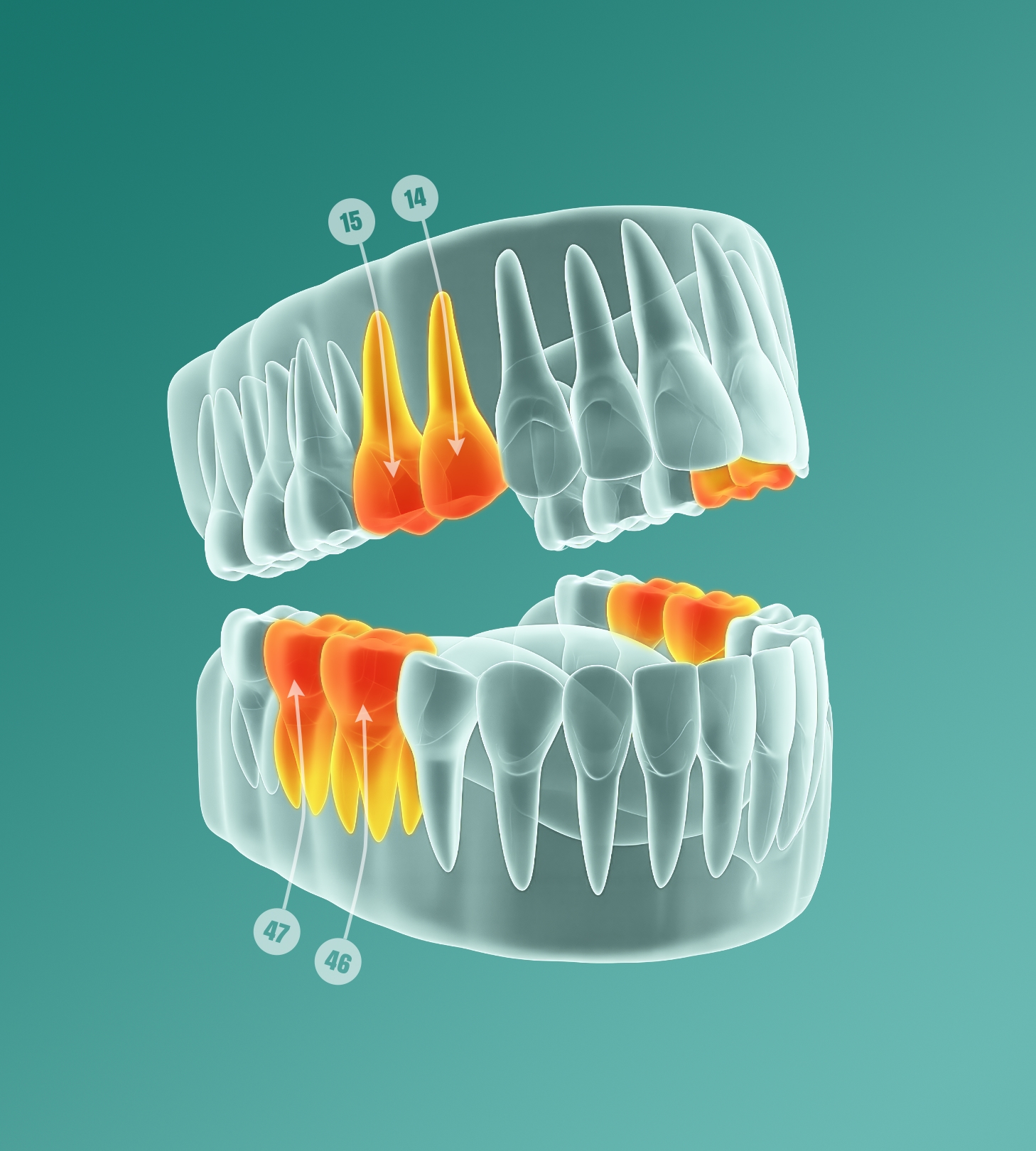
Meridian charts used by biological dentists map certain teeth to pathways running through the cervical spine, shoulder girdle and upper extremities, suggesting that problems in these teeth may influence shoulder‑line tension patterns.

Although these relationships stem from traditional Chinese medicine rather than standard orthopaedics, some high‑net‑worth patients choose to address suspicious teeth on shoulder‑related meridians when pain persists despite high‑quality imaging, manual therapy and workplace ergonomic optimisation. (Source)

Biological dentists avoid mercury‑containing amalgam and use strict protocols for removal, citing concerns about mercury vapour exposure and the potential systemic effects of long‑term metal burden. (Source)

For HNWIs with widespread pain, fatigue or autoimmune features, staged, protected amalgam removal and replacement with biocompatible materials is framed as a way to reduce toxic and electrical stress while the neck‑shoulder complex is being rehabilitated. (Source)

Metal‑free ceramic implants, such as zirconia, are described in biological dentistry as highly biocompatible, corrosion‑resistant and free from galvanic currents, helping to minimise chronic immune activation from dental materials. (Source)

For highly active patients, choosing ceramic implants allows dental rehabilitation to align with systemic anti‑inflammatory goals, supporting the long‑term function of load‑bearing joints like the shoulders in parallel with strength and mobility work. (Source)


Major dental decontamination (multiple amalgam removals, extraction of problem teeth) temporarily increases systemic load, so many teams prefer it not to coincide with shoulder surgery or peak training phases.

Executives and elite performers typically schedule in phases: optimise oral inflammation and materials first, then execute key shoulder procedures or high‑load training blocks, and finally complete ceramic implant rehabilitation once recovery and workload are stable again.

Takeaway: If shoulder pain is limiting your daily life and traditional treatments haven’t solved it, exploring the dental connection could open the door to lasting relief.


The Teeth Connection

Certain teeth are linked to the shoulder joint via the body’s meridian system. Infections, inflammation, or imbalance in these teeth may contribute to shoulder pain or slow healing after injury.

How to Relieve Shoulder Pain

Shoulder pain can sneak up after long hours at a desk, a tough workout, or even a night of poor sleep posture. The shoulder joint is highly mobile — which makes it powerful, but also vulnerable to strain.

Typical causes: 

  • Rotator cuff irritation or tear
  • Shoulder impingement or bursitis
  • Frozen shoulder
  • Poor posture or rounded shoulders
  • Wear-and-tear with age

How common:

  • Around 16% of adults experience shoulder pain each year (with wide variation across groups).

Here’s how to help it heal and stay strong:

1. Ease the Tension

Begin with gentle shoulder rolls and stretching to release tightness. Avoid sudden or jerky movements — slow, circular motions work best.

2. Apply Warmth or Cold

Use a cold pack for fresh injuries or inflammation. If the pain is more from stiffness or overuse, apply gentle heat to improve flexibility and blood flow.

3. Strengthen Gradually

Simple exercises like wall push-ups, resistance band pulls, or light dumbbell raises can strengthen shoulder stabilizers — but only if done without pain. Start small and increase resistance over time.

4. Watch Your Posture

Poor posture is one of the biggest causes of shoulder tension. Keep your shoulders back and relaxed, your chin slightly tucked, and your computer screen at eye level.

5. Rest Smartly

If pain flares, take short breaks rather than complete inactivity. Sleep on your back or opposite side, supporting the sore arm with a pillow.

6. The Oral Connection

Interestingly, chronic inflammation or tension in the jaw can sometimes radiate toward the neck and shoulders. Jaw clenching or misaligned bite patterns may contribute to shoulder and neck tension — another reminder of how connected our body systems are.

FREE
Swiss-Biohealth-Free-Consultation

10 Mins Consultation

Book a free 10-minute phone call with one of our expert Biohealth dentists. Discover how our biodentistry approach can support your overall health and help you understand the best next step for your situation.

  Schedule Now
FREE
Swiss-Biohealth-Free-Care-Plan

Biohealth Care-Plan

Discover how Biohealth can support your long-term health. Receive a complimentary personal Dental Care Plan within 3–5 working days, including guidance, a cost estimate, recommended next steps.

  Request Now
PAID
Swiss-Biohealth-On-Site-Consultation

Biohealth Clinic Visit

Visit our clinic for a complete Biohealth status assessment, including 3D X-rays, intra-oral scan, dental images, blood analysis, full dental status, a 60–90 minute dentist consultation, and a private clinic tour.

  Schedule Now

Free Consultation

Swiss-Biohealth-Free-Consultation

10 Mins Consultation

Book a free 10 minute consultation call with one of our expert BIOHEALTH dentists.
Learn how our biodentistry approach can systematically help your overall health.

  Schedule Now

Swiss-Biohealth-Free-Care-Plan

Biohealth Care-Plan

Discover how Biohealth can support your long-term health. Receive a complimentary personal Dental Care Plan within 3–5 working days, including guidance, a cost estimate, and recommended next steps.

  Request Now

Swiss-Biohealth-On-Site-Consultation

Biohealth Clinic Visit

Visit our clinic for a complete Biohealth status assessment, including 3D X-rays, intra-oral scan, dental images, blood analysis, full dental status, a 60–90 minute dentist consultation, and a private clinic tour.

  Schedule Now